

Tower speakers are essential components of top-notch home audio systems. They are primarily used for floor-standing and provide a loud sound for music lovers due to their height and strong sound system. To help you choose the ideal tower speakers for your space and tastes, we’ve covered everything you need to know in this guide, from setup advice to their advantages
What are tower speakers?
Tower speakers, sometimes referred to as floor-standing speakers, are tall, vertical sound systems that can produce a wide variety of sounds. In contrast to satellite or bookshelf speakers, which usually need extra subwoofers for deep bass and might have limited sound projection capabilities, tower speakers incorporate multiple drivers that can handle different frequencies.
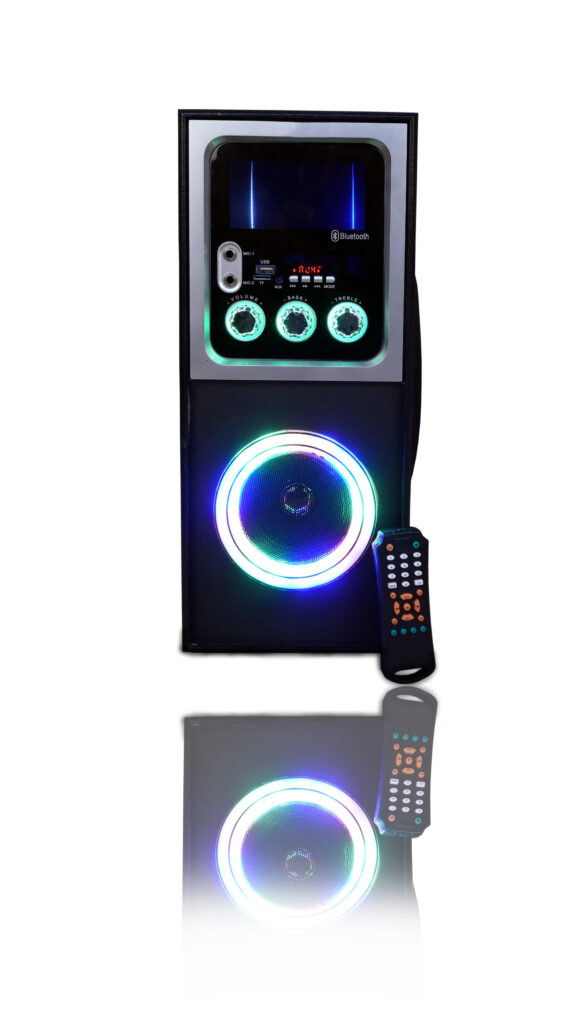
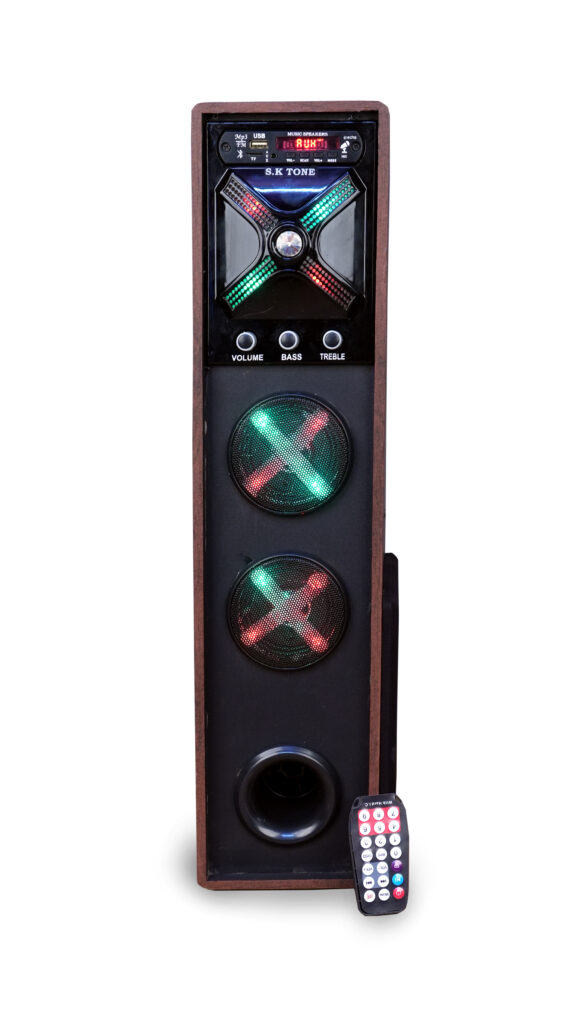
Why should we choose tower speakers?
1. Full Range Sound with Richness
With several drivers, such as tweeters, mid-range units, and woofers, tower speakers provide a wide range of sound. This arrangement guarantees clear mids, sharp highs, and deep bass, making for an engrossing listening experience.
2. Perfect for Rooms That Are Bigger
Tower speakers are ideal for filling medium-to-large spaces with sound due to their sturdy construction and strong output. They provide reliable audio coverage whether you’re setting up a music lounge or a home theatre.
3. Appealing Design
Tower speakers frequently have elegant designs and high-end finishes in addition to their performance, which elevates your living area.
Important Considerations
Driver Configuration: To guarantee a broad frequency response, look for speakers with multiple drivers.
Sensitivity: A speaker with a higher sensitivity rating can generate more sound using less power.
Impedance: For best results, match your amplifier’s impedance to that of the speaker.
Construction Quality: Robust design minimises undesired vibrations, improving the clarity of sound.
Tower Speaker Types
Users may choose the tower speaker that best suits their needs by being aware of the several types available:
1. Speakers in a passive tower
To power these speakers, a separate amplifier or receiver is needed. Users may link them with amplifiers that suit their tastes, giving them the freedom to customise audio configurations.
2. Tower Speakers That Are Active (Powered)
Since active speakers have built-in amplifiers, external amplification is not necessary. For those looking for a simple setup, they are convenient champions of audio.
3. Speakers in wireless towers
These speakers’ Bluetooth or Wi-Fi capabilities allow them to play music wirelessly from devices, eliminating the need for cables and providing location freedom.